

The Election Effect: Why Waiting to Buy After a Presidential Election Year Could Cost You
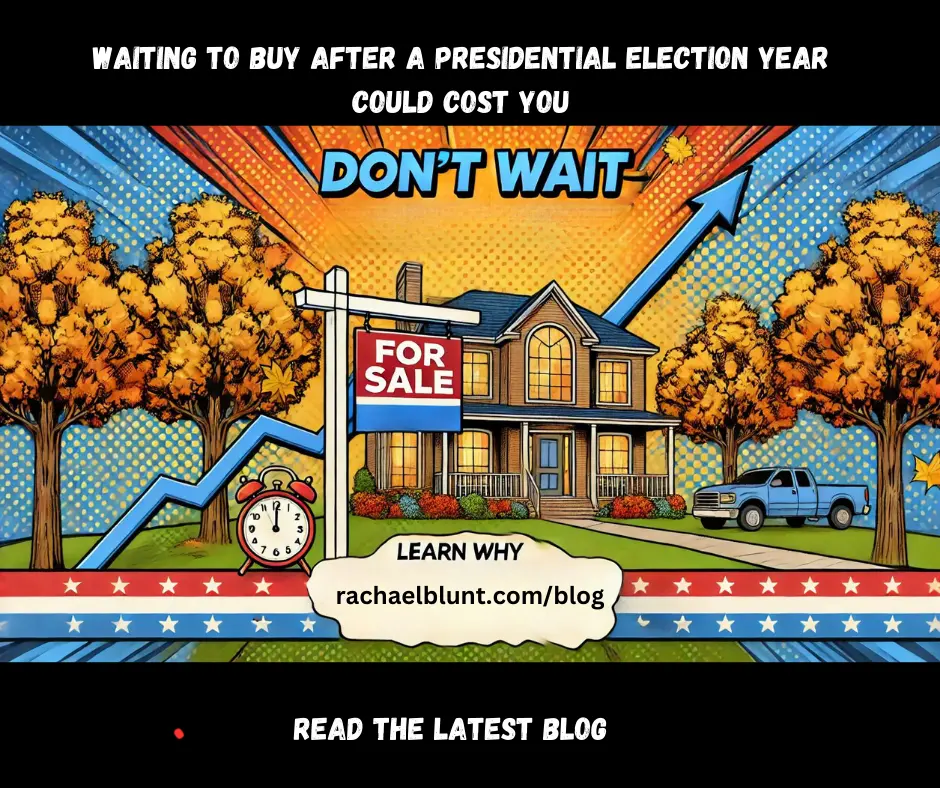
The FOMO Factor: Why You Don't Want to Wait to Buy a Home
It's human nature to want to wait for "the perfect moment" to buy a home, but the truth is .... there's never a perfect time. That said, buying before prices surge can make a huge difference in what you end up paying over the life of your mortgage.
Let's say you wait a year. Sure, you might save yourself from moving during the busy holiday season or give yourself a little extra time to save up. But if home prices rise by just 5% in the year following an election (which they often do), that could add thousands to your purchase price.
It's also important to consider the millions of potential buyers currently sitting on the sidelines, waiting for interest rates to drop further. Many are speculating that a decline in rates is on the horizon (as seen in the Federal Reserve's recent .50 percentage point cut in its benchmark interest rate), which could prompt a wave of new buyers to re-enter the market. This influx of demand, coupled with the existing limited inventory, is likely to intensify competition for homes.
Why Waiting to Buy After A Presidential Election Year Could Cost You
Historically, home values tend to rise after a presidential election year, driven by a combination of market factors, economic shifts, and changes in consumer confidence. Here's an overview of why and how this pattern has emerged over time.
Economic Uncertainty During Election Years
Presidential elections often introduce uncertainty into the economy. People are unsure about future policies, potential changes in tax laws, or shifts in the housing market. This uncertainty leads many home buyers and sellers to "pause" their decisions, creating a dip in real estate activity. During election years, there is often a slowdown in housing market growth because people wait to see the outcome of the election before making major financial decisions like buying or selling a home.
Post-Election Stability Boosts Market Activity
Once the election is over and the new administration takes office, there tends to be a sense of stability restored. Whether people are pleased or not with the outcome, they are more likely to move forward with buying or selling decisions. This surge in market activity often drives up demand for homes, which in turn pushes home prices higher.
For Example:
2008 (Obama's first election): After the housing crash and economic recession,
2009-2010 saw a rebound in home prices as new policies stabilized the market.
2012 (Obama's re-election): Home prices rose steadily in the following years, as confidence in economic recovery grew.
2016 (Trump's election): The housing market saw a sharp increase in home prices as the economy grew rapidly under new policies, tax cuts, and deregulation.
Economic Growth Tied to New Policies
Each administration brings with it new economic and housing policies. In some cases, these policies are directly aimed at boosting the real estate market. After the 2016 election, the housing market saw a notable boost due to deregulation and lower corporate taxes, which spurred economic growth. This kind of economic momentum often fuels buyer confidence, leading to increased demand for homes and, subsequently, rising prices.
Interest Rate Adjustments
Presidential election cycles are also often accompanied by changes in interest rate policies. The typical monetary policy approaches of Democratic and Republican presidents often reflect their broader economic philosophies.
These differing perspectives can shape the Central Bank's strategies and influence overall economic conditions during their administrations, impacting everything from employment rates to inflation levels.
Consumer Confidence and Market Sentiment
Consumer confidence often rebounds after elections. Regardless of which party takes office, people are generally more willing to make large financial commitments like home purchases once the election uncertainty fades. This increase in consumer confidence plays a big role in housing market activity post-election, leading to price growth.
Historical Trends in Rising Home Prices Post-Election
While home price increases can vary depending on the election year and broader economic conditions, the general trend holds:
1996 (Clinton's re-election): Home prices surged in the following years, coinciding with economic expansion during the late 1990s.
2012 (Obama's second term): The housing market saw price increases as the economy recovered from the Great Recession, and housing demand rebounded.
2020 (Biden's election): The housing market continued to see significant price increases post-election due to low interest rates, high demand, and limited inventory.
Final Thoughts
While we can't predict the future with 100% certainty, history has shown us that waiting until after a presidential election could mean paying more for your dream home. With the potential for rising home prices and increased competition if interest rates fall, now might just be the best time to make your move.
Categories
Recent Posts






GET MORE INFORMATION