

Transferrable Warranties: The Hidden Bonus in Your Home Sale
Transferrable Warranties: The Hidden Bonus in Your Home Sale
When buyers tour a home, they’re looking at square footage, kitchen finishes, and whether their favorite chair will fit in the living room corner. But one detail that’s often overlooked — and can actually tip the scale in your favor — is a transferrable warranty.
If you're preparing to sell your home (or considering buying one), understanding what a transferrable warranty is and how it works could be the secret advantage that gives you leverage in the deal.
What Is a Transferrable Warranty?
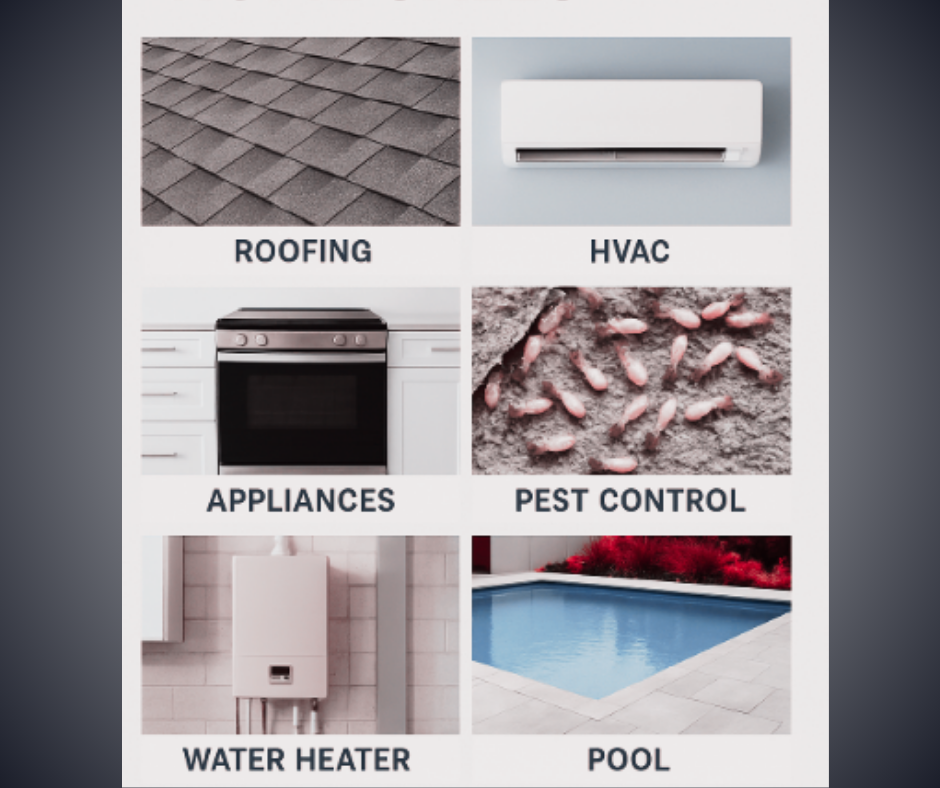
A transferrable warranty is exactly what it sounds like — a warranty on a product or system that can be transferred from the current homeowner to the new buyer. These warranties often cover things like:
Roofing systems
HVAC units
Water heaters
Kitchen appliances
Home security systems
Pest control treatments
Not all warranties are transferrable, and some require a transfer fee or notification to the provider within a certain timeframe, so it's important to read the fine print.
Why It Matters to Buyers and Sellers
For sellers, offering a transferrable warranty adds perceived value. It reassures buyers that they’re not walking into a house full of unknowns — and can make your listing stand out in a competitive market.
For buyers, a transferrable warranty means peace of mind. It can reduce unexpected costs and provide protection for critical home systems, especially in the first year of ownership.
In many cases, even a basic home warranty or appliance coverage can influence a buyer’s decision to make an offer or walk away.
Common Types of Transferrable Warranties
Roof warranties: Many newer roofs come with material or workmanship warranties that can extend up to 25 years or more.
HVAC warranties: Units installed within the past 5–10 years may still have coverage — but only if the warranty is properly registered and transferrable.
Home warranties (third-party providers): These can sometimes be added during the sale and offered as a one-year incentive to buyers.
Termite or pest treatments: In Georgia, many pest control warranties can transfer to the new owner with annual renewals.
Pro Tips for Sellers
Gather the paperwork now — Locate warranty documents, receipts, and installation records.
Contact providers — Ask if the warranty is transferrable, if a fee applies, and how to initiate the transfer.
Highlight it in your listing — This is a marketing advantage! A roof with coverage left is a big deal.
Share with your Realtor — Make sure your agent knows which warranties are available so they can market them effectively.
Pro Tips for Buyers
Ask early — During the showing or negotiation process, ask if any warranties transfer.
Get it in writing — Confirm transferrable coverage in the purchase agreement or as part of the disclosures.
Register the warranty — Some require the new owner to register within 30 days.
Final Thoughts
Transferrable warranties might not be flashy, but they’re practical, cost-saving, and confidence-boosting for buyers. And for sellers, they’re a low-effort way to make your home more marketable — especially in a cautious or competitive market.
Before you list — or before you make that offer — take a look at what’s already covered. It might just be the hidden bonus that helps seal the deal.
Have questions about marketing your home or finding a property with added value? Let’s chat — I’ll help you uncover every advantage in today’s market.
Categories
Recent Posts










GET MORE INFORMATION